Football fandom: Community or commodity?











Global doesn’t work. It’s time to make local change
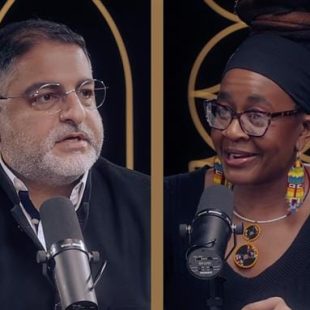
Sisonke Msimang sat down with us to explain what she means by “globalese” and the importance of language when discussing globalization.
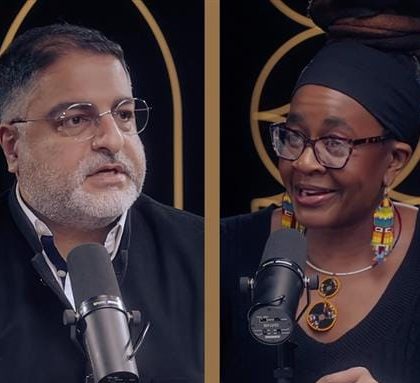
In this conversation with Doha Debates correspondent Nelufar Hedayat, South African writer Sisonke Msimang opens up about being uncomfortable speaking the language of “globalese.” She defines it as a “jargonistic language that is often very detached from the real life experiences of most people,” used by those who travel frequently and find themselves in global arenas often. Sisonke is more attracted to breaking out of that comfort zone and searching for authenticity and connection to people on the ground via what else: grounded dialogue.
When Nelufar confesses her difficulty in being able to express herself clearly when discussing local politics, Sisonke explains why these conversations might be so hard and polarized. With one side speaking to something fundamental in people’s daily experience and connecting through unbased fear, and the other side sometimes arguing in technical, boring policy language (that aforementioned “globalese”), the valley between the two extremes is vast and deep. But politicians like Donald Trump are also fluent in this coded language because it allows so much cover to hide and not get to the point. Trump might blast “tariffs” and “trade protectionism” through a megaphone, but Sisonke argues that there are more direct, efficient ways to talk about problems. “If you’re concerned about Mexico, then let’s talk about that. Are you concerned about migration? Let’s talk about that. Are you concerned about racism? Let’s talk about that.” She later goes on to say that the inability to talk is part of the problem. “Just saying what we mean, I think, goes a long way towards then figuring out solutions. Because ultimately, I think all of us are less interested in talking about issues, and we’re more interested in solving them. You can’t get to the solving part unless you’re clear in what the problems are.”
“My biggest fear is that we will fold our arms because the global seems like it’s not working anymore.“
Though it’s easy to blame the West, or global north, for much of globalization’s human costs and exploitations, Sisonke emphasizes that your country’s experience of globalization—which itself can be neutral—will largely have been shaped by good or bad leaders. “Political leadership, no matter where you are, is the thing that will determine whether globalization works for you or whether it doesn’t work for you.” And it all trickles down to the people who vote and care. So she asks us to rethink our trajectory: Previously, we thought solutions could be solved on a global scale. Now, as countries are pulling out of international agreements, we can’t simply fold our arms and say, “Global didn’t work.” She urges us to return to our roots: democracy, citizenship and accountability. Looking around and seeing an upsurge in young people taking these issues seriously, abandoning globalese and getting their hands and knees dirty, Sisonke feels optimistic about not remaining stagnant.
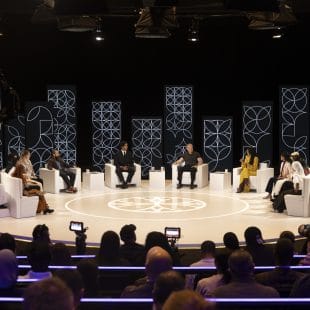
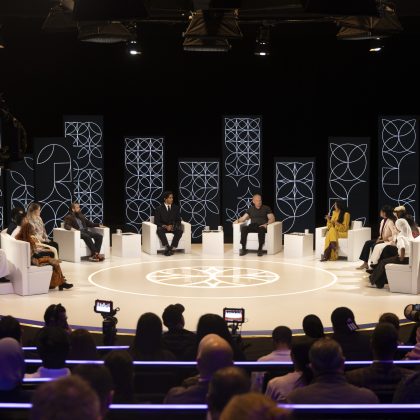
For more guidance on having difficult but honest conversations, check out our full debate on globalization, which includes Sisonke’s argument, “Make it concrete, not abstract,” followed by a search for collaborative solutions between all of our speakers.

The full debate