Removal of the FSO Safer off the Coast of Yemen













Letter from Amjad Atallah
Young People Aren’t Tuned Out. They Want Better Conversations.
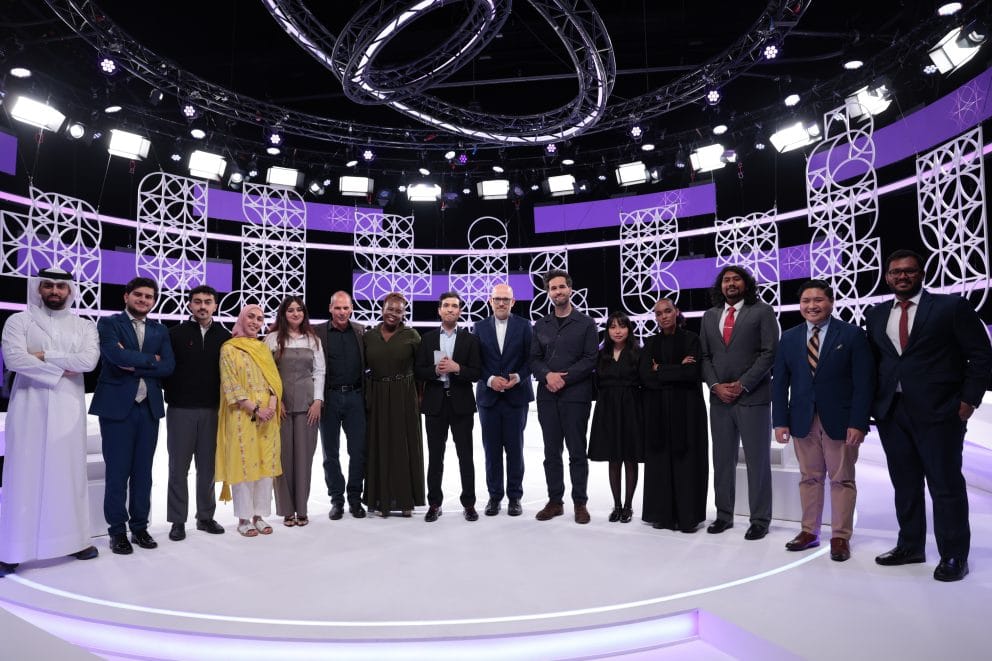

Everywhere you look, the next generation is being underestimated, again. A deluge of panicky headlines tell us that they’re apathetic, cynical, impatient and have the attention span of a goldfish. Sorely lacking the skills they’ll need to face their complicated future. Too distracted to care about the world’s challenges, let alone solve them.
At Doha Debates, we know this isn’t true.
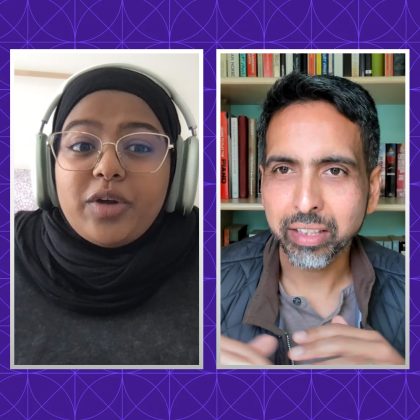
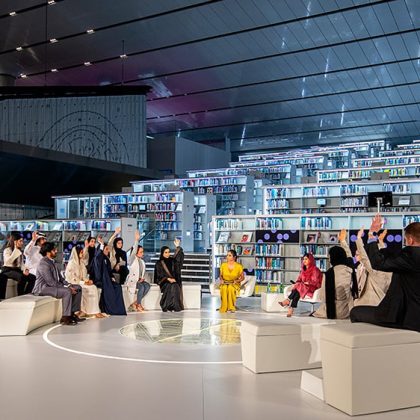
Year after year, students and recent graduates eagerly fill our debates, including our town halls, engage in complex intercultural dialogue in our ambassador program and step into our Portal activations to connect face-to-face across oceans. These young changemakers refuse to settle for binaries and soundbites. Instead, they want nuance, complexity and context. They’re not indifferent. They’re hungry. And they crave conversations that respect their intelligence, honor their perspectives and invite them into the collaborative work of shaping a better future. They want safe, brave spaces where they can wrestle with big ideas without being shamed or shouted down.
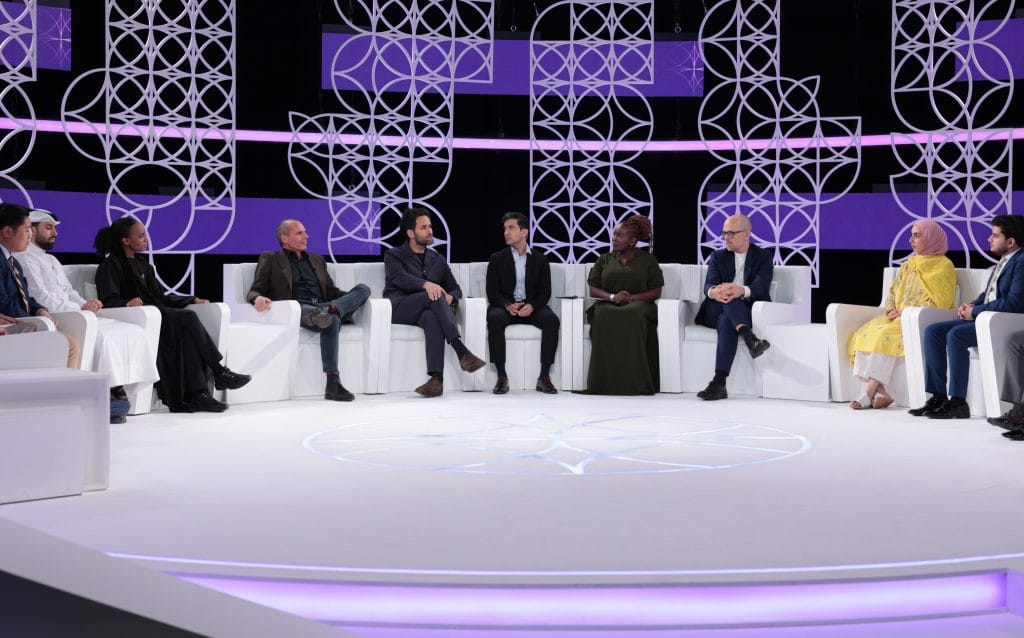
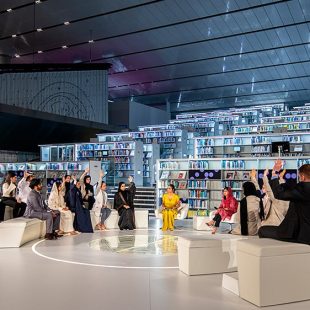
This is why Doha Debates exists: to engage global youth in a new kind of debate. Because to us, a debate isn’t a contest that one person “wins.” It’s a thoughtful exchange of ideas meant to expand minds, bridge divides and solve problems. And it should take place in a space rooted in the concept of the Majlis—a welcoming, hospitable meeting ground that prioritizes deep thinking, respectful listening and openness to divergent viewpoints.
Our approach—and our content—is a response to this cultural moment. We don’t chase spectacle or reduce the world’s hardest questions to clickbait. In an attention economy where misinformation and sensationalism battle it out for the most transactions, we’re trying to deal in more valuable currency: genuine conversation rooted in truth-seeking.
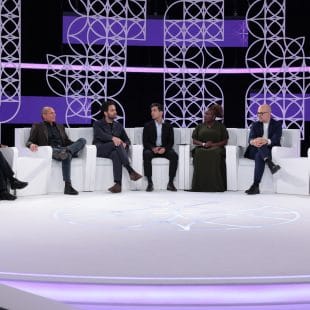
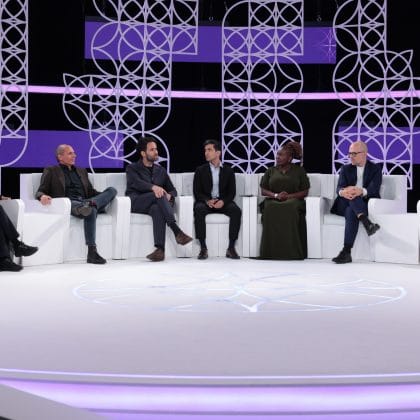
That’s why this new season of our flagship Doha Debates series is more than a launch. It’s a signal of our enduring commitment to meaningful dialogue. This season brings together economists, scientists, academics, philosophers, activists and artists in conversation with each other and with youth from across the globe, all offering their perspectives on timeless questions: Is “earned success” an illusion or does merit still matter? Has technology transformed childhood or hijacked it? How do we imagine the family of tomorrow? Should ancient wisdom guide us in modern societies? Together, they’ll delve into the big issues of love, family, tradition and work through a multitude of lenses—from evolutionary biology to Islamic philosophy; from Indigenous knowledge to behavioral science.
Everywhere you look, the next generation is being underestimated.
These dialogues will feature some of the world’s most compelling voices: economist and former Greek finance minister Yanis Varoufakis, Pulitzer-nominated author Nicholas Carr, digital anthropologist and professor Payal Arora, architect Marwa al-Sabouni and many more. They’ll be joined by a vanguard of intellectually curious, truth-seeking young people from all over the world, who’ll advance, challenge and even reimagine the experts’ ideas for the next generation.
And the conversation won’t end there. Beyond our long-form debates filmed in Doha, we’ll reach audiences in cities from Bradford, England to Buenos Aires, Argentina with a brand new slate of town halls, where young people will drive conversations with esteemed thinkers. We’ll also air new episodes of the Doha Debates Podcast, where we’ll take you beyond the headlines into candid, in-depth discussions between scholars, activists, entrepreneurs and theorists from around the globe.
Doha Debates is rooted in Qatar Foundation’s mission to unlock human potential. To us, that means insisting that people deserve more than surface-level answers. We don’t just want visibility; we want depth. We want the conversations we host to stay with people—to spark reflection, to encourage discussion at the dinner table or in the classroom and to remind us of what’s possible when we dare to engage in real conversation.
To us, a debate isn’t a contest that one person ‘wins.’ It’s a thoughtful exchange of ideas meant to expand minds, bridge divides and solve problems.
Audiences—especially today’s youth—don’t tune out because they don’t care. They tune out when what’s on offer is shallow and inaccurate. In a world full of fast, cheap chatter, we’re choosing truthful, deep conversation. This season, I invite you to join our Majlis—not to agree, but to think critically. To listen generously. And help us continue to reshape the meaning of debate.
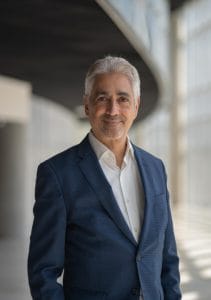
-Amjad Atallah, Managing Director Doha Debates